Weijin Research
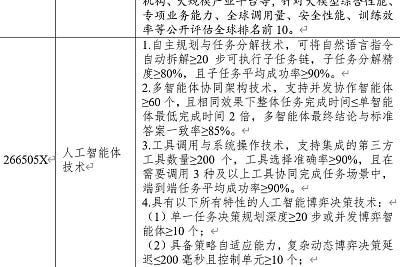
Chinas proposed technology catalog aims to protect high-risk capabilities while keeping most AI exports and overseas deployment open.
Tech Buzz China delivers rigorous, on-the-ground analysis of China's technology ecosystem — AI, EVs, robotics, and the companies rewriting global innovation.
Experimental Hardware founders and operators: join our China community →Get useful updates, ask us for help, or apply for the WeChat group.
We design private immersion programs for investor, executive, corporate, and academic groups. We no longer recruit for open-enrollment trips.
Free articles every other week. Paid deep dives (6–10,000 words) on alternate weeks — generous free preview for all readers; full piece for paid subscribers. No hype, no filler.
Read the latest →Custom research reports and executive briefings designed for C-suite leaders, investors, and teams navigating the Chinese technology landscape.
Commission a report →Curated immersive trips for investors, executives, and founders — direct access to AI labs, EV factories, robotics startups, and the people building them.
Explore private programs →
A Tech Buzz China report in partnership with Unique Research. China's AI applications have achieved extraordinary user scale — but revenue generation lags far behind their US counterparts. This report unpacks why, and what it means for global AI competition.
Standalone projects from Tech Buzz China: interactive maps, indexes, and datasets built for people who need to understand China's technology ecosystem without the usual fog machine.
A field guide to the Chinese AI labs that matter: founding teams, talent flows, capital links, model matchups, and where the ecosystem is actually concentrating.
An interactive tracker of China's rapidly growing humanoid robotics industry — companies, funding, capabilities, and competitive landscape.
A rules-based index tracking public Chinese companies whose businesses depend on AI moving into the physical world.
An interactive data platform mapping China's advanced manufacturing ecosystem — robotics, EVs, new energy, and smart factories.
A sector-first map of China's semiconductor capabilities — where the country stands against the global frontier in each part of the stack, with bottlenecks and watch items.
Selected writing from independent publications in our partner network. These articles are not produced by Tech Buzz China.
Chinas proposed technology catalog aims to protect high-risk capabilities while keeping most AI exports and overseas deployment open.
BAG, MAST, and distributed training turn scattered data centers into a coordinated system built to scale toward one million GPUs.
Diminishing returns mean stronger models still depend on more chips, energy, infrastructure, and financing.

Chinese automakers are taking greater control of battery development and shifting orders to rivals, but CATL’s manufacturing expertise keeps it difficult to replace.
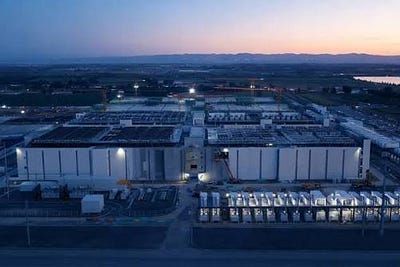
From China’s western computing hubs to America’s grid-constrained data centers, batteries are becoming an increasingly important part of AI infrastructure.
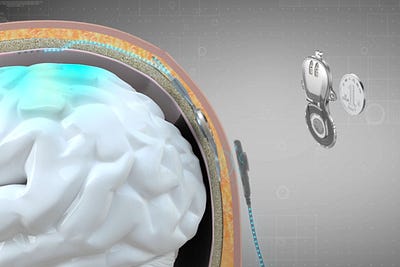
Inside China’s race to build a brain-implant industry, where competing technologies are advancing alongside the clinical and commercial systems needed to bring them into medical care.
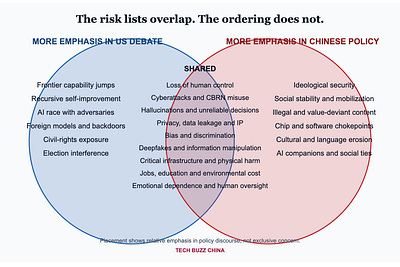
Cybersecurity disclosures add urgency to U.S.–China safety talks, but AI’s strategic value will keep Beijing pushing ahead.
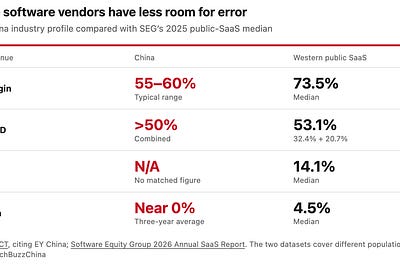
China’s tech giants want to turn the AI tools employees use into a bigger share of their employers’ software, cloud and services budgets.

Building capacity was the first challenge. Now China must turn fragmented hardware, cheap western power and uneven demand into a production market that improves its domestic AI stack.